When Women Journalists Are Silenced, Stories of War Disappear: UN Warns of Rising Violence and AI Threats
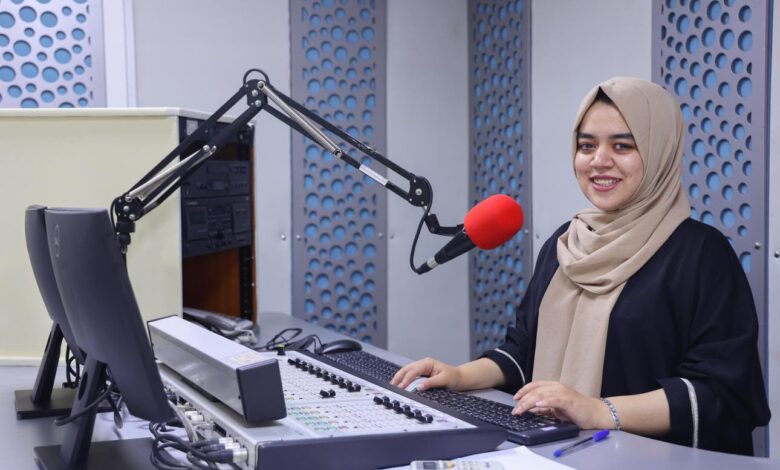
Photo: UN Women/Sayed Habib Bidell
By Paula Sweis |- From UN
As digital harassment and physical attacks threaten women reporting from conflict zones, the United Nations calls for stronger protections and accountability.
UNITED NATIONS — Women journalists working in conflict-affected countries are facing growing threats to their safety, as online harassment, artificial intelligence, and physical violence create new challenges for those reporting on war, human rights, and international peace efforts.
The United Nations is calling for stronger protections after new findings revealed that 75 percent of women journalists surveyed experienced online violence, while 42 percent reported experiencing abuse, harassment, or attacks offline that they associated with online threats.
The findings, released through research supported by UN Women and UNESCO, highlight growing concerns that digital harassment is no longer confined to the internet. For many women working in journalism, threats received online can affect their personal safety, professional reputation, and ability to continue reporting.
The issue has taken on greater significance as the United Nations marks the International Day to End Impunity for Crimes against Journalists on November 2, drawing attention to the dangers facing journalists and the continued lack of accountability for attacks against them.
Women Journalists Face Growing Threats in Conflict Zones
During a high-level United Nations gathering in New York on October 27, Nobel Peace Prize laureate Maria Ressa warned that efforts to intimidate and silence women journalists carry consequences beyond the individuals being targeted.
Ressa, co-founder of the Philippine news organization Rappler, has experienced legal challenges, arrests, and years of online harassment connected to her reporting.
Speaking at the event, she emphasized that women journalists play an important role in documenting conflicts and giving a voice to communities whose experiences might otherwise go unheard.
“Every woman journalist driven out of a conflict zone is a peace process that loses its witness,” Ressa said.
The event, titled Every Voice for Peace Counts: New Perspectives on the Women, Peace and Security Agenda, was organized by the Permanent Mission of Greece to the United Nations, UN Women, and UNESCO.
Participants discussed the growing dangers facing women journalists and the importance of ensuring that their reporting remains part of international efforts to promote peace and accountability.
The discussions also highlighted how women journalists often reach communities and individuals that might not feel comfortable sharing their experiences with male reporters, particularly in countries affected by conflict or restrictions on women’s participation in public life.
Artificial Intelligence Creates New Risks
The rapid development of artificial intelligence has introduced additional concerns for journalists working in already dangerous environments.
AI-generated images, manipulated videos, fabricated audio recordings, and coordinated online campaigns can be used to damage reputations and spread misleading information.
Women journalists are particularly vulnerable to forms of harassment involving sexualized threats and manipulated images intended to embarrass, intimidate, or discredit them.
According to research released by UN Women and UNESCO, nearly one in four respondents across a broader group of women journalists, activists, human rights defenders, and writers reported experiencing AI-assisted online violence.
For women journalists specifically, the research found that online attacks were increasingly associated with harassment and other harm outside digital spaces.
In 2020, approximately 20 percent of women journalists surveyed linked online violence to offline abuse. That figure rose to 42 percent in the 2025 survey.
While the results reflect the experiences of those surveyed rather than all women journalists globally, they raise serious concerns about the growing relationship between digital threats and personal safety.
UN officials have called on governments, media organizations, and technology companies to strengthen measures that protect journalists and address harassment before it escalates.
Afghanistan Highlights the Importance of Women’s Voices
The challenges facing women journalists are particularly visible in Afghanistan, where restrictions introduced after the Taliban returned to power in 2021 have significantly limited women’s participation in public life.
Afghan journalist and media entrepreneur Hamida Aman, founder of Radio Begum, has continued working to provide Afghan women and girls with access to information and educational programming.
Established in March 2021, Radio Begum was created to offer women a platform to discuss issues affecting their daily lives.
However, the station has faced significant restrictions and interruptions as the environment for independent media has become increasingly difficult.
During the UN discussions, Aman raised concerns about the declining number of women journalists in Afghanistan and what their disappearance could mean for the wider population.
In many communities, women reporters are among the few media professionals able to document the experiences of Afghan women directly.
Their absence could leave important stories about education, healthcare, family life, and women’s rights largely unreported.
The situation illustrates how restrictions on women journalists can affect not only freedom of the press but also the public’s access to information about vulnerable communities.
A Missing Perspective in International Conflict Reporting
Beyond threats to individual journalists, UN officials also raised concerns about how conflicts are covered by the international media.
Figures presented during the October meeting showed that media coverage of conflicts increased more than sixfold between 2013 and 2023.
However, only approximately 5 percent of the articles examined focused on women’s experiences during war.
An even smaller proportion, 0.04 percent, referenced the role of women leaders in peace processes.
These findings raise questions about whether international reporting fully reflects the experiences of people living through conflict.
Women are often portrayed primarily as victims of violence, even though many also contribute to humanitarian assistance, community leadership, conflict prevention, and rebuilding efforts.
When their experiences are overlooked, the international community risks receiving an incomplete picture of the challenges facing affected societies and the people working toward peace.
UN Women Deputy Executive Director Nyaradzayi Gumbonzvanda emphasized that silencing women journalists also limits the visibility of the women whose stories they are documenting.
United Nations Calls for Accountability and Stronger Protection
The latest concerns come as UNESCO highlights continuing impunity for crimes committed against journalists.
According to the organization’s 2026 findings, 189 journalists were killed during 2024 and 2025, with approximately two-thirds of those deaths occurring in conflict zones.
UNESCO also reported that 86 percent of journalist killings recorded since 2006 remained judicially unresolved.
The findings underline the difficulties facing international efforts to investigate attacks, protect media workers, and hold those responsible accountable.
For women journalists, these dangers are compounded by gender-based harassment, online intimidation, and barriers to obtaining legal or institutional support.
UN representatives and participating journalists have called for stronger investigations into attacks, better emergency protection, increased support for women-led media organizations, and greater accountability from technology platforms.
The discussions also emphasized the importance of including women journalists in conversations about international peace and security.
More than two decades after the adoption of UN Security Council Resolution 1325, which recognized women’s important role in conflict prevention and peacebuilding, protecting women’s participation in journalism remains closely connected to those broader goals.
As conflicts continue across different regions of the world, the protection of women journalists is increasingly becoming a question of press freedom, human rights, and international accountability.
Their ability to report safely helps ensure that the experiences of civilians, displaced families, and communities affected by war remain part of the international conversation.
For the United Nations, the message is clear: protecting journalists is not only about safeguarding the people who deliver the news, but also preserving the stories, evidence, and perspectives the world needs to understand conflict and pursue peace.